5 Things Worth Sharing This Week
Hindustani classical music in Pakistan, IFS, and SF Fleet Week

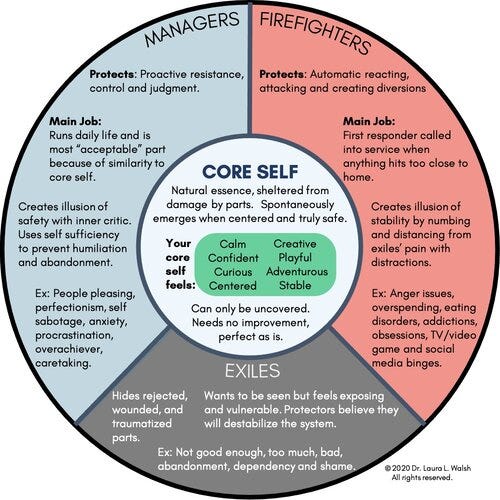
Introduction to Internal Family Systems came highly recommended by my therapist. I finished reading it last week and was struck by the central idea that our minds are made up of multiple parts - some vulnerable (the Exiles), some paternalistic and critical (the Managers), and some that are potentially destructive (the Firefighters). The Managers and Firefighters focus on protecting your Exiled parts. The goal is to work with protectors to release the exiles, and uncover your core “Self” which is the seat of creativity, compassion, confidence, wisdom, etc. Healing surprisingly involves compassion towards your more difficult parts, which are actually good parts in bad roles, according to the author. On this journey, one tends to develop compassion towards their enemies.
”If we could read the secret history of our enemies, we should find in each man’s life sorrow and suffering enough to disarm all hostility.”
-Henry Wardsworth Longfellow
It’s definitely a useful mental model of the mind.
Watched Khayal Darpan, a documentary directed by Yousuf Saeed, a Delhi-based filmmaker, about the evolution of khayal (hindustani classical) music in Pakistan.
Lahore, which was once a major center of Hindustani classical music, now has few if any practitioners left, apparently. The decline of Indian classical music in Pakistan has been attributed to the contested status of music in Islam, the need for Pakistan to craft its own cultural identity post partition, and the lack of formal patronage. It was disheartening to learn that there isn’t a single female professional Hindustani classical vocalist in Pakistan, although the country was once home to the likes of Roshan Ara Begum who regularly performed on Radio Pakistan and PTV. The classically trained musicians like Mehdi Hassan and Farida Khanum took to singing ghazals developing a new and distinctive style of ghazal singing. Interestingly, the heirs of the Patiala gharana went on to start popular bands (Fuzon, Raga Boyz) which incorporates classical ragas and techniques they’d heard from their forefathers. Here’s a poignant video of Mehdi Hassan explaining the difference between Ragas Darbari and Jaunpuri.Raag Gujri Todi by Ustad Sultan Khan on the sarangi, and raag Yaman by Viswamohan Bhatt on the Mohan veena made me tear up. Sound healers in the West are truly missing out by not incorporating raga-based music.
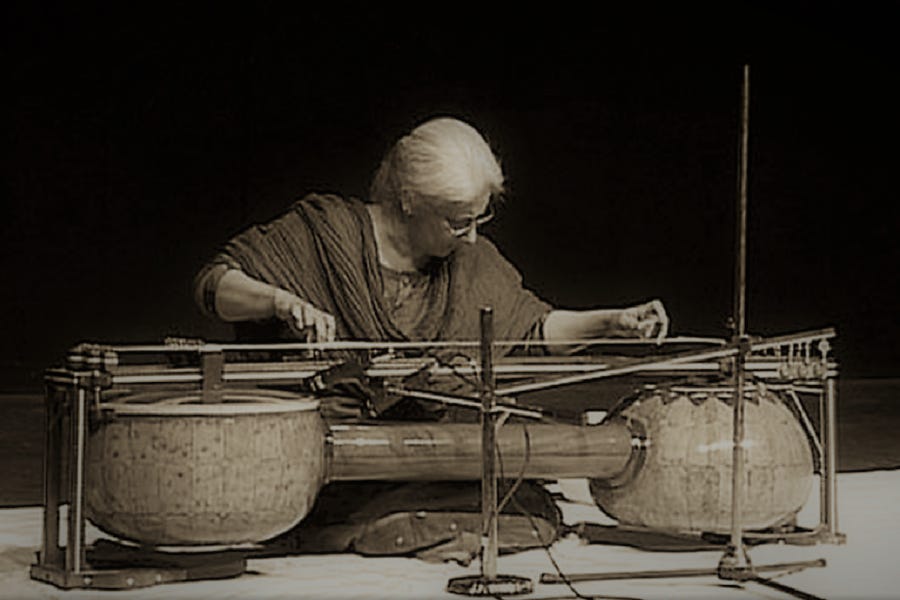
Speaking of veenas, Pakistani activist and lawyer, Raza Kazim invented a chitra veena-like instrument called the sagar veena, and his third daughter, Noor Zehra Kazim is a professional sagar veena player who trained at the Ali Akbar College of Music in Berkeley (which is where I bought my beautiful Miraj tanpura!). The instrument almost sounds like a surbahar to me although it is fretless. Spent some time this week listening to Noor Zehra’s wonderful exploration of Raga Jaijaiwanti.
The annual SF Fleet Week is always a treat. When it’s warm and clear outside, it’s even better. Yes it can be loud and several SF folks complain about the noise, but it’s still pretty awesome to watch a bunch of flights perform synchronized stunts in the sky. These maneuvers are apparently called aerobatics. Check it out!
Have a great weekend!
-Ashwini
I know that many famous Hindustani singers were from Pakistan .... my father used to love Hindustani music and so we used to hear them in our radio.
WE had attended Vishwamohan Bhat's concert where he played with his son. He is too good.
I liked the way you switched from Carnatic music (after learning it thoroughly) to Hindustani where they teach voice culture to improve the quality of singing. And your voice is amazing now, Ashwini... Keep singing...